The Allure of Risk and Reward
The psychology of gambling in casinos is intricately tied to the concepts of risk and reward. Many players are drawn to the thrill of potentially winning significant sums of money, which often outweighs the consideration of losses. This phenomenon can be attributed to the excitement that risk-taking generates, stimulating the brain’s reward centers. The anticipation of a win acts like a dopamine rush, reinforcing the decision to gamble and fueling a cycle of engagement that can be hard to break. For those seeking a unique experience, payid pokies online can provide an exhilarating alternative to traditional casino gaming, enhancing the thrill even further. In essence, the very act of playing becomes a source of exhilaration, which can overshadow rational judgment.
Furthermore, the nature of casino games amplifies this psychological allure. Games are often designed to provide frequent small wins, which can maintain a player’s interest and encourage continued play. This technique exploits the concept of intermittent reinforcement, where unpredictability heightens excitement. Gamblers may find themselves compelled to keep betting to chase that elusive big win, despite previous losses—an emotional rollercoaster that keeps them engaged. The prospect of a life-changing jackpot can create a powerful psychological drive that overshadows the potential for loss.
Addiction often plays a role in this dynamic. Some individuals may seek the thrill of gambling as an escape from daily stresses or personal issues. The casino environment serves as a sanctuary for these escapists, where the bright lights and sounds create an atmosphere that temporarily distracts them from reality. Understanding this psychology can provide insights into risky behaviors and the importance of responsible gambling practices in mitigating negative outcomes. By recognizing the underlying motivations for gambling, players can better manage their tendencies and make informed choices.
The Role of Environment in Gambling Behavior
The environment within casinos is meticulously designed to enhance gambling behavior. From the layout of the gaming floor to the choice of colors and sounds, every element contributes to an immersive experience that stimulates players’ senses. Bright lights and vibrant colors create an inviting atmosphere, while the absence of clocks and windows ensures that time is lost in the excitement. This design tactic encourages gamblers to stay longer and engage more deeply with the games. Such intentional design transforms the gambling experience into a sensory adventure, drawing players into a world where they feel welcomed and excited to participate.
Moreover, the sounds—such as the clinking of chips and triumphant music that plays during a win—serve to reinforce positive experiences, creating a link in the gambler’s mind between these sensory inputs and the potential for winning. This acoustic environment amplifies excitement and makes it easier for players to forget their losses and maintain a focus on winning. Such factors can deeply impact the decision-making process, pushing players further into their gambling experiences. The interplay of sound and sight creates an atmosphere that not only attracts players but also makes it challenging for them to leave.
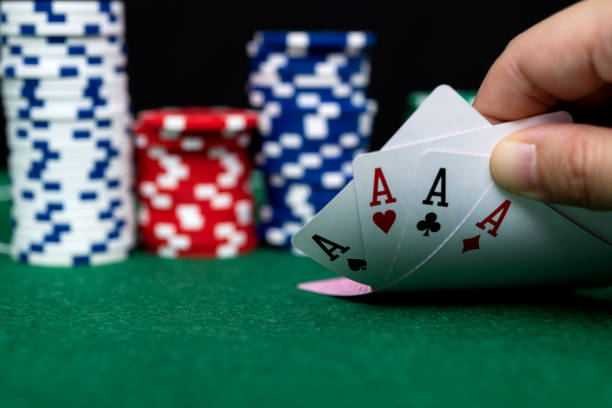
The layout of the casino also plays a significant role in player engagement. Strategically placed games encourage players to explore different areas, often leading them to try their luck at various machines or tables. This spatial design creates a sense of adventure, enticing players to take risks they might not otherwise consider in a more structured environment. The overall ambiance serves to create a euphoric atmosphere, where players feel an emotional connection to the gaming experience and the potential for profit. Such environmental cues can be powerful motivators, influencing how players interact with the space and each other.
Cognitive Biases and Gambling Decisions
Cognitive biases significantly influence gambling decisions, oftentimes leading individuals to make irrational choices. One prevalent bias is the gambler’s fallacy, where an individual may believe that past outcomes affect future probabilities. For example, if a coin has landed heads up several times, a player might wrongly assume that it is ‘due’ to land tails up, prompting further bets based on flawed logic. Such biases highlight how cognitive distortions can skew a gambler’s judgment and lead to increased bets that stray from rational thinking. This flawed reasoning can create a dangerous loop of betting behavior that is difficult to break.
An additional cognitive bias is the illusion of control, where players believe they can influence the outcome of games that are, in fact, completely based on chance. This belief can lead to overconfidence, prompting gamblers to take larger risks. Slot machine players may think they can ‘feel’ when a machine is about to pay out, leading them to invest more money based on this unsubstantiated belief. Such cognitive distortions can create a dangerous cycle of gambling behavior that escalates over time. Recognizing these biases is essential for players to make more informed and rational choices.
Understanding these biases is crucial for both players and those involved in responsible gambling initiatives. By recognizing the irrational thought patterns that can lead to excessive gambling, individuals and organizations can better address and mitigate these behaviors. Promoting awareness of cognitive biases can contribute to more informed gambling practices, helping players make decisions based on evidence rather than flawed perceptions. Educational programs that highlight these cognitive traps can empower players to reflect on their gambling behaviors critically.
Social Influences on Gambling Behavior
Social factors play a pivotal role in shaping gambling behavior within casinos. The influence of peers can encourage individuals to gamble, as spending time with friends or acquaintances can heighten the sense of camaraderie and excitement. This social aspect can create an environment where individuals feel pressured to participate in gambling activities, even if they might not have intended to do so initially. Group dynamics can often lead to an increase in risk-taking behavior, as individuals may feel emboldened by the presence of others. The thrill of gambling becomes intertwined with social interactions, further complicating personal decision-making.
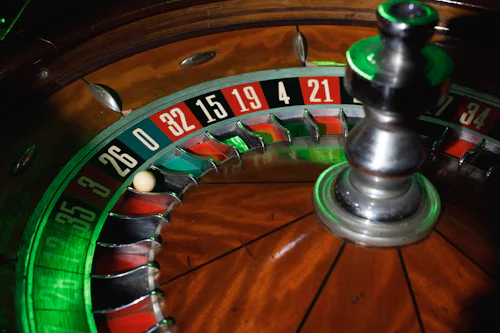
Additionally, the normalization of gambling in certain social circles can further perpetuate these behaviors. When gambling becomes a common activity among friends, it can lead to a mindset where excessive gambling is accepted or even encouraged. This social acceptance can be particularly dangerous as it might mask the risks involved, leading individuals to overlook the potential consequences of their actions. Social influences can create a cycle where gambling becomes interwoven with social identity, making it harder to recognize problematic behaviors. The need for social approval can overshadow personal limits and responsible choices.
Community events and promotions within casinos can also enhance social influences on gambling. By hosting group events or competitions, casinos tap into the communal spirit of gaming, creating an environment where players feel more compelled to participate. This social engagement can blur the lines between entertainment and risk, making it crucial for players to remain mindful of their behavior and its implications for their well-being. Recognizing how social dynamics shape gambling choices is key to fostering a healthier gambling culture. Encouraging open discussions about gambling can help mitigate the pressures that arise from social influences.
Understanding Gambling Through Responsible Practices
The exploration of gambling psychology highlights the importance of incorporating responsible practices in the casino experience. As awareness grows about the psychological factors influencing gambling behaviors, the necessity for educational programs and initiatives becomes clear. Such outreach can equip individuals with the tools to recognize and manage their gambling habits, leading to healthier gaming experiences. These programs can help demystify cognitive biases and promote a more conscious approach to gambling, ultimately fostering a culture of awareness and responsibility.
Casinos themselves play a vital role in promoting responsible gambling. By implementing strategies such as self-exclusion programs and providing resources for those struggling with addiction, they can foster a safer gaming environment. Safe gambling measures, including setting limits on time and money spent, can encourage players to enjoy the entertainment aspect of gambling without falling into detrimental patterns. These practices benefit both players and the casino, promoting a culture of healthy gaming that prioritizes player well-being.
Ultimately, understanding the psychological aspects of gambling can inform both players and industry professionals alike. By recognizing the influences of environment, cognitive biases, and social factors, stakeholders can work together to create a framework that prioritizes responsible gambling. As research in this field evolves, continuous efforts toward educating players and enhancing casino practices can lead to a more sustainable and enjoyable gambling experience for all. A commitment to responsible gaming can help cultivate a culture that values fun while safeguarding against the risks associated with gambling.